Growing Local Together Conference
Wednesday, December 9, 2026
Holiday Inn Conference Center - Kearney, NE
Registration is now OPEN!
Registration Deadline: November 24th
A special room rate is available for conference attendees needing overnight accommodations. Attendees will need to call the Holiday Inn at 308-237-5971 or use this link NE Local Food Systems Networking Conference to make their hotel reservation. Ask for the Growing Local Together Conference room rate. Reservations need to be made by November 20th to receive the special rate. There is a limited number of rooms in the block.
Keynote Speakers:
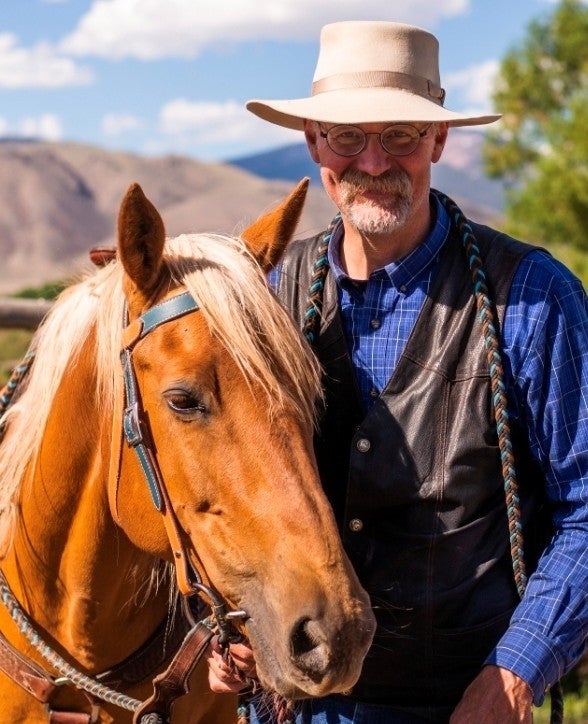
Glenn Elzinga - Alderspring Ranch, Idaho
Glenn Elzinga is the co-founder and rancher behind Alderspring Ranch, a family-owned, certified organic grass-fed beef operation in central Idaho. Glenn and his wife, Caryl, built the ranch from seven cows into a large direct-to-consumer beef business spanning approximately 50000 acres of rangeland. A former forester, Glenn brings a unique ecological perspective to livestock production, with decades of experience developing regenerative grazing practices that improve soil, rangeland health, wildlife habitat, and animal welfare. He is a frequent speaker at regenerative agriculture and grazing conferences nationwide.
Amanda Severson - Grand View Beef, Iowa
Amanda Severson is the co-owner of Grand View Beef, a fifth-generation family farm near Clarion, Iowa, where she and her husband, Knute, raise and direct-market 100% grass-fed, grass-finished beef. Since returning to the family farm in 2017, Amanda has helped build Grand View Beef into a successful direct-to-consumer business while developing its brand, marketing, customer relationships, and educational outreach. With a background in strategic communications, Amanda brings a unique perspective on direct-to-consumer agriculture, storytelling, and connecting consumers with the farmers who produce their food. Grand View Beef uses intensive rotational grazing and regenerative practices focused on soil health, animal care, and long-term stewardship.
Agenda:
9am – Welcome & Keynote Speaker Glenn Elzinga – From Selling Commodity to Building Community: How 33 Years of Ranch Direct Marketing Transformed Our Vision
10:45 – Breakout Sessions:
- From Field to Cooler: Pack Shed Design & Post-Harvest Handling
Speaker: Jason Grimm, Executive Director, Iowa Valley RC&D
Program description: How you handle produce after harvest affects shelf life, food safety, labor and how much buyers will pay. Jason Grimm, Executive Director of Iowa Valley RC&D, will cover practical pack shed design for small and mid-sized vegetable farms. That includes layout, workflow, materials, cooling and washing, plus food safety practices that help a farm get ready for GAP certification. He'll also share Iowa Valley's low-cost pack shed model, which is built on a prefabricated carport and suits growers on rented land. You'll leave with ideas you can use this season, whether you're putting up a new building or improving the setup you have. Buyers will gain a clearer picture of how on-farm handling shapes the quality, consistency and food safety of the local product they purchase, and what to ask growers about their post-harvest practices.
- Selling Through Food Hubs: What Buyers Want From Growers
Panelists: Robinette Farms, Lone Tree Foods, Farm Table Delivery
Program description: Food hubs connect growers to grocery stores, restaurants, schools and households that a single farm would have a hard time reaching alone. This panel brings together three hubs serving Nebraska and western Iowa: Robinette Farms, Lone Tree Foods and Farm Table Delivery. They'll talk about current markets for local foods, what they need from producers, and how pricing, packing and communication work in practice. If you've thought about selling to a food hub but weren't sure where to start or whether you're ready, this session will show you what it takes and whether they're ready. Grocers, chefs, schools and institutions will learn how a hub can make local sourcing simpler, with one point of contact, combined volume from many farms and steady supply, and how to start buying through one.
11:45 – Lunch and Buyer Panel:
- Why We Buy Local: A Conversation with Nebraska Buyers
Panelists: Craig Bontrager (Milford Mainstreet Market), Chef Nazim Khan (Bryan Health), Renee Cornett (Gretna Schools, formerly of Prairie Plate Restaurant)
Program description: What does it look like to work with local producers from the buyer's side? A grocer, a hospital chef and a school food service leader talk honestly about why they source locally, what it does for their business and customers, and the challenges that come with it. They'll share what they look for in a producer partner, from consistency and communication to packaging and pricing, and what keeps them coming back. Growers will leave knowing better how to approach buyers, and buyers will hear from peers who have made local sourcing work.
1:35 – Featured Speaker, Amanda Severson: (updates coming)
2:45 – Breakout Sessions:
- Beyond the Raw Product: Growing Profits Through Value-Added
Panelists: Kevin Monfelt (honey) · Nicole Ragon, Niobrara Grain & Milling · Produce/commercial kitchen speaker TBD
Program description: Turning a raw crop into a finished product can open new markets, stretch your selling season and earn more from every acre or hive. This panel brings together three Nebraska producers who've done it: a commercial beekeeper making flavored and creamed honeys, a grain miller producing specialty flours, and a produce grower who uses a commercial kitchen to preserve the harvest for sale year-round. They'll explain why they added value, how they got started, and what they wish they'd known first. They'll also cover practical tips on regulations, product development, pricing and finding customers. For grocers, restaurants and other buyers, it's a look at the Nebraska-made products available to stock or put on the menu, and what to expect on labeling, shelf life, ordering and supply when carrying them.
- Scaling Up: Lessons From Nebraska's Professional Growers
Panelists: Duane Wolff, Ryan Pekarek, Paul Rohrbough
Program description: Many Nebraska growers start small, with a few beds, a market stand or a part-time operation. Growing into a full commercial operation can feel out of reach. On this panel, experienced growers who have built commercial-scale vegetable farms explain how and why they scaled up. They'll cover the decisions that mattered most, including equipment, labor, infrastructure, markets, and choosing certified organic or conventional production. Growers, whether you want to grow a little or a lot, you'll hear what it takes and how to avoid costly mistakes. Buyers will get a realistic picture of the volume, consistency and food safety that commercial-scale local growers can deliver, and how buyers can help local suppliers grow with them through early planning and longer-term commitments.
- Buying Local, Made Simple: A Buyer's Guide to Local Produce, Meat and Eggs
Panelists (to be confirmed): Food safety specialist, Nebraska Department of Agriculture · Experienced wholesale grower · Grocer who sources locally
Program description: Interested in adding local produce, meat or eggs but not sure where to start? This session is built for grocers, restaurants, schools, hospitals and other food service buyers who are new to working with local farms. Three short presentations cover local sourcing from every side. A food safety specialist from the Nebraska Department of Agriculture explains what you can legally buy and what paperwork to ask for. An experienced wholesale grower shows how ordering, production planning and pricing work from the farm's side. A grocer who sources locally shares how they got started and made it pay off. Buyers will leave with a clear picture of the first steps, and producers will hear firsthand what buyers need before they can say yes.
3:50 – Making Wholesale Connections – Producer & Buyer Meetups
4:30 – Closing Session – Busy Bees Garden & Greenhouse: A Nebraska Local Food Success Story
About the Resilient Food Systems Infrastructure (RFSI)
The Resilient Food Systems Infrastructure (RFSI) programs is a federal cooperative agreement awarded by the U.S. Department of Agriculture (USDA) Agricultural Marketing Service (AMS) to state departments of agriculture to build resilience across the middle-of-the-supply-chain and strengthen local and regional food systems, supporting the development of value-added products for consumers, fair prices, fair wages and new job opportunities.
The Nebraska Department of Agriculture (NDA) awarded 14 grants designed to support producers and farm businesses in obtaining equipment or developing their middle of the supply chain infrastructure. These 14 projects will improve NE’s local food system by way of increased distribution options, processing and storage. Applications for funding are currently closed. To view summaries of the funded projects, click the dropdown below.
Expanding opportunities in Nebraska's regional food system
Participating in RFSI Supply Chain Coordination efforts can open up new opportunities for producers and food businesses to grow markets and improve operational efficiencies. Technical assistance is available to Nebraska producers and food businesses to help with navigating supply chain challenges, and enhanced networking with processors, distributors, and other food system partners. Nebraska has two supply chain coordinators ready to help build relationships and improve systems-level planning, which can be especially valuable for direct market growers and producers looking into value added products. Coordinated supply chain efforts will also help producers and food businesses find new local markets creating new pathways for Nebraska-grown foods to reach consumers.
Holle Evert
Nebraska Department of Agriculture
PO Box 94947
Lincoln, NE 68509
402-310-8354
agr.promo@nebraska.gov
Riley Reinke – Eastern NE Supply Chain Coordination
riley.reinke@nebraska.gov
(402) 430-4057
Shannon Sand - Western NE Supply Chain Coordination
ssand2@unl.edu
Michelle Garwood - Western NE Supply Chain Coordination
mgarwood3@unl.edu
Infrastructure Grants
Food Sustainability Hub and Spoke Model: A sustainable food Hub for a tribal Ho-Chunk community
Winnebago
Tribal community kitchen expansion and modernization that will enhance food processing capabilities for tribal farmers and food businesses.
Nebraska Wine Grape and Fruit Processing and Production Expansion and Aggregation
Central City
Developing a licensed and bonded custom crush facility to meet the growing needs of Nebraska's grape and fruit growers.
Grand Republic Milling Company - Connecting Farmers to Consumers through Regional Grain Milling
Scottsbluff
Constructing a cereal grain processing center creating a regional, value-added marketplace for wheat, barley, oats and other grains for human consumption. Veteran-owned.
HarvestHub: A Shared Vegetable Wash, Pack and Processing Center in Urban Omaha
Omaha
Constructing a shared-use wash, pack, processing, and storage facility that provides urban growers a food-safe indoor place to process, aggregate and distribute locally grown produce.
Free Day Popcorn Company - Infrastructure Expansion Project
Byron
Infrastructure expansion will increase food grade packaging equipment and distribution services available to local grain producers growing grains for human consumption.
Robinette Farms: Expanding Local Food Aggregation and Distribution in Eastern Nebraska
Martell
Modernizing equipment and facilities will expand the capacity to process, pack, aggregate, and distribute locally grown foods.
Equipment-Only Grants
Omaha Sunflower Cooperative Foundations of Food Sovereignty in East Omaha Neighborhood
Omaha
Creating a network of neighborhood food hubs to provide urban growers equipment for processing, storage, and distribution.
Growing Resiliency: A Project to Increase Middle-Chain Processing and Access to Local Food in Lincoln
Lincoln
Purchasing equipment to increase access to healthy foods in institutional settings by improving processing, aggregation, storage and creation of new value-added products.
Community Crops Program Collaborates for Improved Market Access of Underserved Farmers in Lincoln, NE.
Lincoln
Providing beginning and underserved farmers equipment access to process, store, and distribute locally grown foods.
Whispering Roots Community Food Hub Commercial Kitchen Expansion Project
Omaha
Expanding commercial kitchen through purchase of equipment to support aggregation, processing, distribution, and value-added production of locally produced, healthy food for low-income, vulnerable families.
Mobile specialty grain processing equipment for south central Nebraska
Henderson
Purchasing equipment to construct a mobile dehulling and debearding unit to service small scale growers of specialty crop grains such as Kernza (R), barley, spelt, and buckwheat.
Shadow Brook Farm's Dutch Girl Creamery Increases Opportunities for middle of food chain with increased storage
Lincoln
Increasing processing and storage capacity to create value-added dairy products, cheese, and ice cream.
Cold Storage to facilitate growth of Farm to School program
Hyannis
Purchasing freezer and refrigerator to increase students access to locally grown foods through growth in Farm to School program.
Fresh Local Vegetable Distribution to Hispanic Markets via Refrigerated Trucks
Columbus
Refrigerated transport truck which will serve to distribute fresh, locally grown vegetables to Hispanic markets and store fronts in eastern Nebraska. This project will expand connections between local producers and local Hispanic markets.